





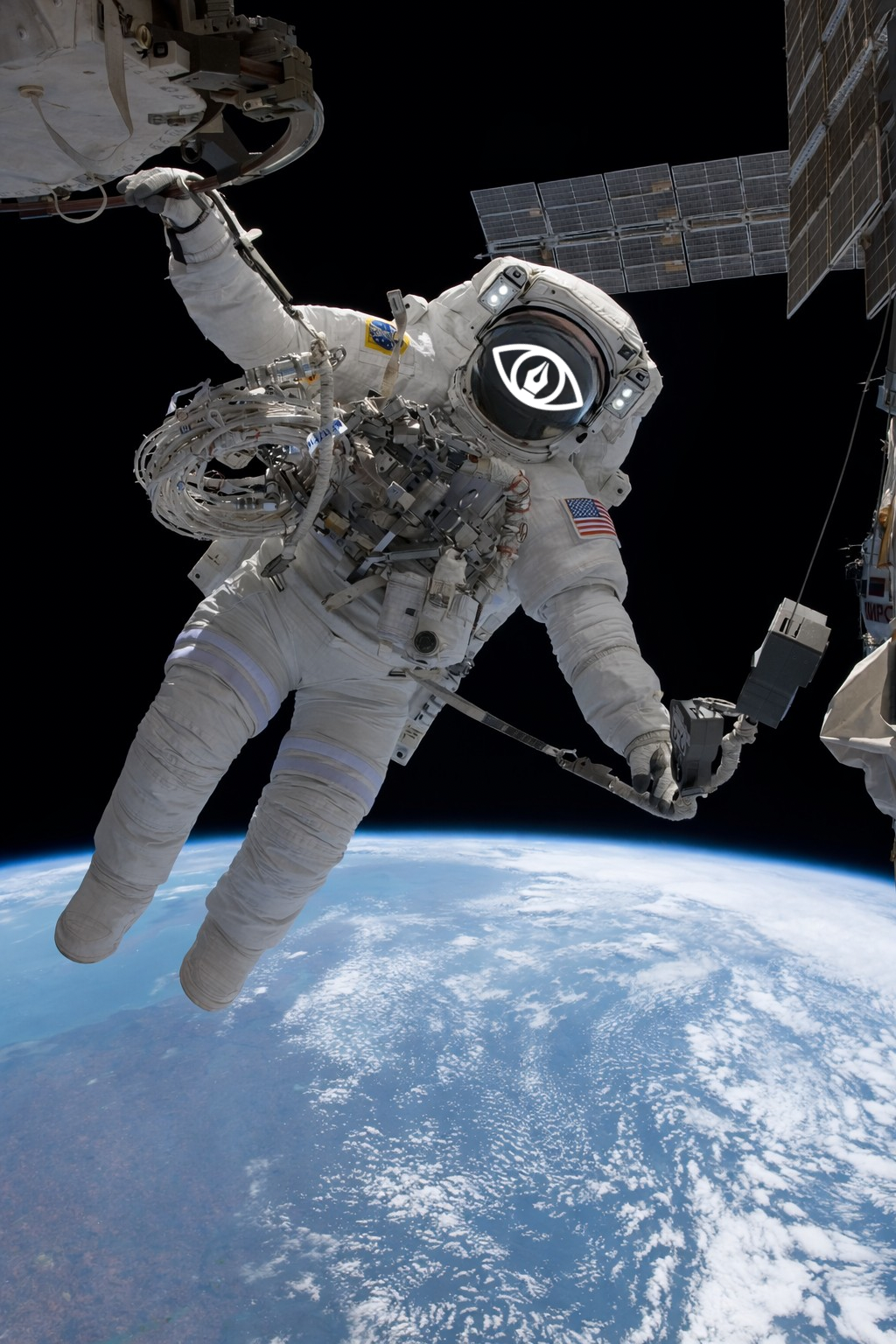
During my most recent research study testing at Thomas Jefferson University Hospital in Philadelphia (click here to read Lights, Camera, Research), the Clinical Program Director told me that one of the machines we were using, the Heidelberg Spectralis High Resolution OCT, is on the International Space Station. The reason it has left the planet is because approximately 70% of astronauts on extended missions on the ISS experience vision impairment. Gravity shifts fluid toward the head, resulting in intracranial pressure, causing the back of the eyeball to flatten and the optic nerve to swell. (This is the cause of my vision loss – my optic nerves became inflamed and when the swelling decreased, my optic nerves were severely damaged.)
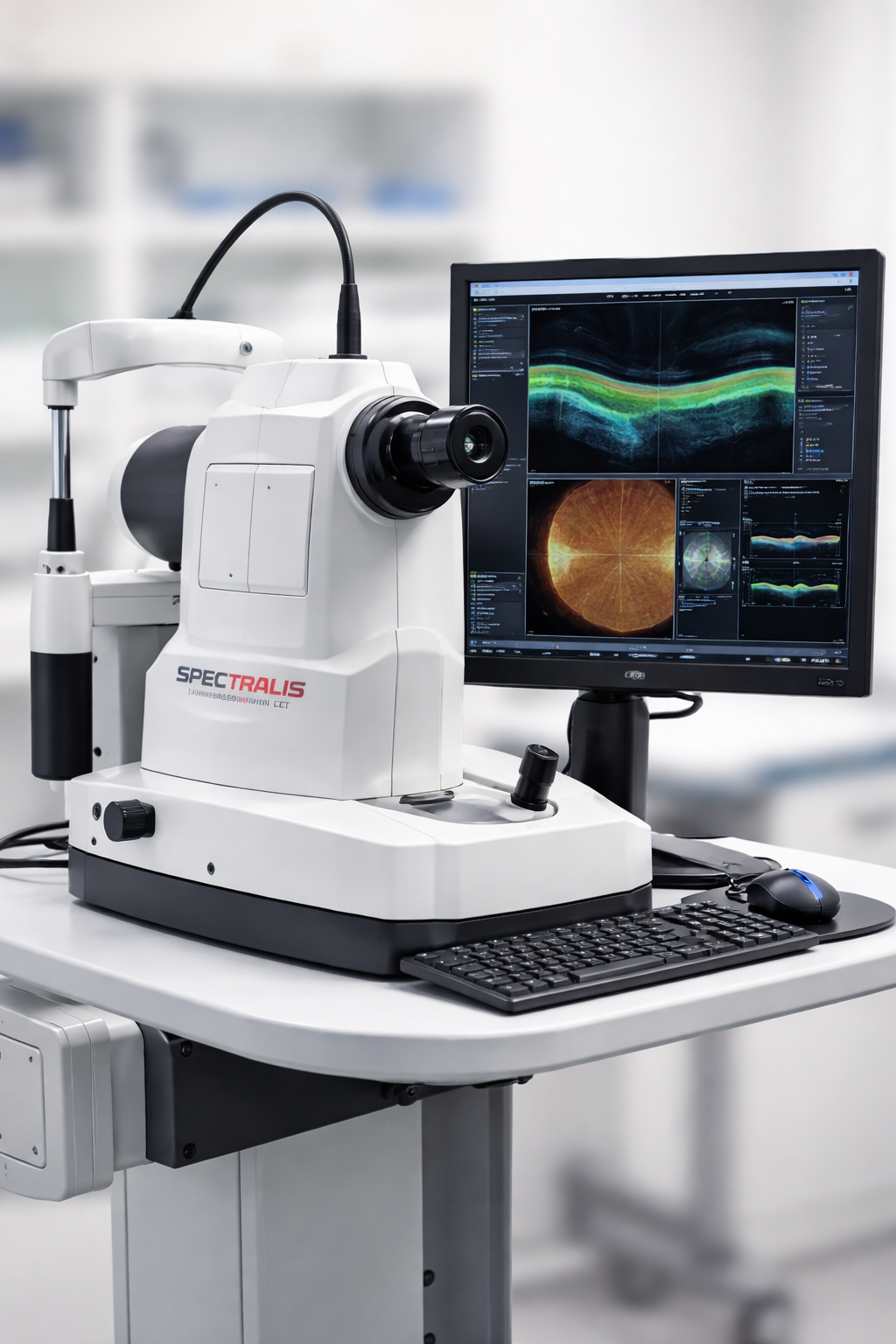
Sometimes these changes quickly reverse upon returning to Earth, in other cases they can persist for months or years and no one knows why. The Heidelberg Spectralis High Resolution OCT will provide critical data to determine why the recovery timeframe varies, leading to solutions to prevent this from occurring to the brave women and men on the ISS.
I will never reach the cosmos, but I do hope that my participation in this research study is helping us reach for the stars when it comes to finding answers to prevent and / or cure diseases and, of course, vision loss due to other causes.
I knew the equipment being utilized in the testing are cutting edge, but now I know that they are out of this world.
#sisterrain #alittlesightalotofheart #legallyblindwriter #blindnessisaspectrum #blind #legallyblind #lowvision #visuallyimpaired #opticneuropathy #visionloss #thomasjeffersonuniversityhospital #astronauts #internationalspacestation
